
"The road to vacancy is paved with good intentions," especially when a loose shingle, a silent leak, or a neglected HVAC system gets pushed to the bottom of your to-do list.
In Raleigh's rental market, the smallest oversight can snowball into property damage, costly repairs, and tenants who start looking elsewhere. The successful landlord knows that proper maintenance is more than fixing what breaks; it is protecting what pays.
With a proactive approach, regular inspections, and help from experienced residential property managers, you can keep your property safe, preserve its value, and save money in the long run.
Here's how to make every maintenance decision count.
Key Takeaways
Preventive maintenance helps you reduce avoidable repair costs, protect your investment property, and preserve long-term property value.
Routine inspections and timely maintenance requests help you identify water leaks, HVAC problems, safety concerns, and other issues before they cause further damage.
Professional property management can help you coordinate repairs, monitor property maintenance, support tenant satisfaction, and keep your Raleigh rental operating efficiently.
Which Preventive Maintenance Tasks Should You Prioritize?
Preventative maintenance works best when you address essential systems before they fail. Instead of waiting for a tenant to report a problem, establish a schedule that covers the property's most vulnerable areas and assigns a clear priority to every maintenance task.
Start with these essential checks:
HVAC system: Replace filters as recommended, arrange regular servicing, and investigate unusual noises or inconsistent temperatures.
Plumbing: Check faucets, drains, water pressure, and visible pipes for leaks that could lead to water damage.
Water heater: Look for visible corrosion, leaks, and signs of poor performance, and schedule professional servicing when needed.
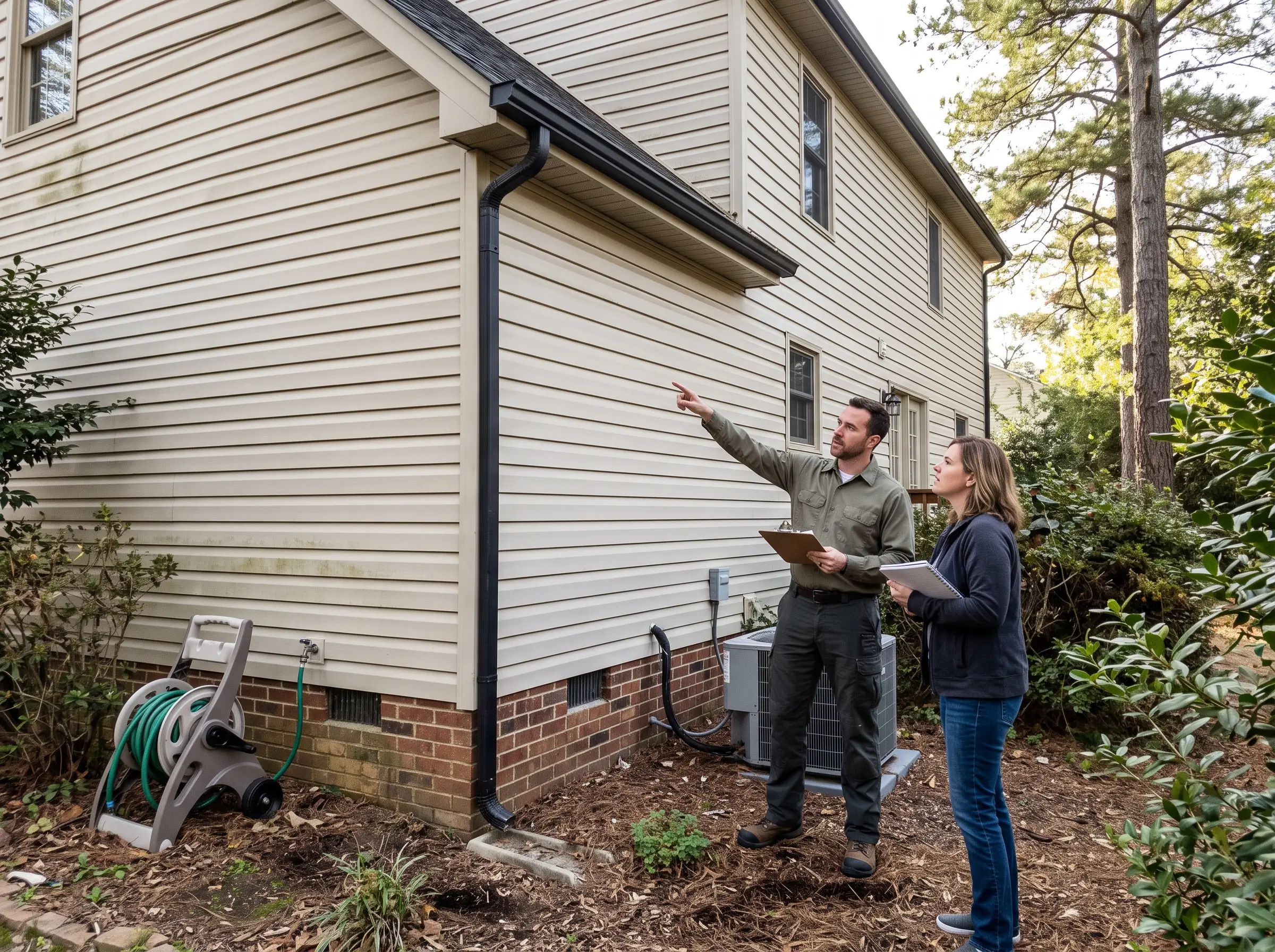
Exterior and structure: Inspect roofing, gutters, drainage, and visible foundations for damage that could worsen with rain or moisture.
Major appliances: Test essential appliances and address performance problems before they disrupt daily living.
These maintenance tasks help you catch small issues before they require major repairs. For example, finding a slow leak beneath a kitchen sink early may prevent damage to cabinetry and flooring and a tenant's prolonged inconvenience.
How Often Should You Service Your HVAC System and Plumbing?
Your maintenance schedule should reflect equipment specifications, the property's age, seasonal conditions, and previous repair history. Arrange HVAC servicing according to manufacturer guidance, inspect plumbing routinely, and investigate unusual water pressure or recurring drainage problems promptly.
In Raleigh, changing seasonal temperatures make heating and cooling readiness particularly important. A properly maintained HVAC system supports a comfortable living environment, while early plumbing repairs help limit mold growth and protect the property's condition.
How Do Routine Inspections Protect Your Rental Property?
A tenant's maintenance request is valuable, but it cannot reveal every developing problem. Regular inspections help you identify issues that tenants may overlook, including moisture beneath sinks, deteriorating caulk, damaged weatherstripping, and malfunctioning safety devices.
Build a consistent inspection process around these priorities:
Move-in inspection: Document the property's condition, existing defects, appliance condition, and relevant photographs before occupancy.
Periodic inspections: Check accessible essential systems, signs of moisture, visible damage, and maintenance concerns.
Move-out inspection: Compare the documented condition with the property's current state, distinguishing normal wear and tear from potential tenant-caused damage.
Document your findings, assign repair priorities, and follow up until each issue is resolved. Provide any required notice before entering an occupied rental, and follow your lease agreement and applicable North Carolina law.
Are Smoke and Carbon Monoxide Detectors Part of Preventive Maintenance?
Yes. Test smoke and carbon monoxide detectors according to the manufacturer's instructions and applicable requirements, and promptly address any missing, damaged, or malfunctioning devices.
Keep a record of safety checks and repairs. These simple safety measures help protect tenants and support your responsibilities as a landlord, although they should complement, not replace, other required building and fire safety measures.
How Should You Handle Maintenance Requests and Prevent Costly Repairs?
When tenants report maintenance issues, your response time can influence both repair costs and tenant satisfaction. A minor leak may seem harmless today, but delaying the repair can allow moisture to spread, damage surrounding materials, and create conditions for mold growth.
Use a clear process for every maintenance request:
Record the issue: Note the date, location, reported symptoms, and any supporting photographs.
Prioritize urgency: Address emergencies immediately and schedule routine repairs based on severity.
Coordinate qualified professionals: Use appropriate contractors for electrical, plumbing, HVAC, and other specialized work.
Verify completion: Confirm that the repair resolved the problem and retain invoices, work orders, and follow-up notes.
Your lease agreement should clarify maintenance reporting procedures and relevant responsibilities, but it cannot override applicable landlord-tenant law. Handle security deposit decisions carefully, distinguishing documented tenant-caused damage from normal wear and tear.
How Does Preventive Maintenance Protect Rental Income and Property Value?
Preventive maintenance is as much a financial strategy as a property care routine. When you budget for regular servicing and small repairs, you can reduce avoidable emergency expenses, plan for replacements, and make better decisions about your investment property's long-term value.
Raleigh's growth makes thoughtful property care especially relevant.
The U.S. Census Bureau estimates that Raleigh's population increased by 8.2% between April 2020 and July 2025, while Wake County grew by 11.3% over the same period. These figures indicate substantial regional population growth, although they do not guarantee rental demand or investment returns for an individual property.
To manage maintenance expenses more effectively, review your records for:
Repeated repair invoices involving the same system or location.
Rising servicing costs may signal an aging appliance or HVAC system.
Deferred repairs that could affect safety, habitability, or future expenses.
Planned replacements that deserve a place in your annual maintenance budget.
This review helps you distinguish recurring maintenance from larger capital improvements. For example, repeated repairs to an aging water heater may justify comparing the cost of continued servicing to that of a professionally assessed replacement.
When Should You Hire a Professional Property Manager?
Consider professional property management when coordinating contractors, tracking maintenance requests, conducting inspections, and communicating with tenants, as these tasks begin to take time away from your other priorities. A qualified property manager can organize these workflows, maintain records, and help you respond consistently.
For Raleigh landlords, Turnkey Residential offers property management services, including regular inspections, maintenance coordination, tenant screening, rent collection, and financial reporting via an owner portal. Its team serves Raleigh and surrounding communities, including Cary, Apex, Morrisville, and Wake Forest.
Frequently Asked Questions
1. What are the key reasons for regular rental property maintenance?
Regular maintenance helps prevent structural issues, protect property value, and retain good tenants.
2. How does a rental agreement address maintenance responsibilities?
Your rental agreement should outline repair requests, maintenance duties, and applicable lease terms.
3. How can you ensure your property remains compliant with building codes?
Schedule inspections, resolve safety concerns, and follow applicable local building codes.
4. Is preventive maintenance more cost-effective than emergency repairs?
Yes. Addressing minor issues early can prevent extensive property damage and reduce long-term expenses.
Let Your Investment Flourish With Turnkey Residential
At Turnkey Residential, we believe every well-maintained rental property tells a story of foresight, care, and lasting value.
We help Raleigh property owners protect that story through property maintenance, regular inspections, tenant screening, rent collection, and transparent financial reporting.
Our team brings the pieces together so you can spend less time managing daily demands and more time planning your next investment. Let us help you keep your property in good hands.
Explore our services or contact our team to discuss your rental property goals.
Other Resources:
Landlord Insurance in Raleigh: What Does It Actually Cover?
Accidental Landlords vs Professional Investors: Which Property Management Approach Fits You?